
HUW TURBERVILL: An interview with The Cricketer sheds light on selectors’ wackiness in the 1980s
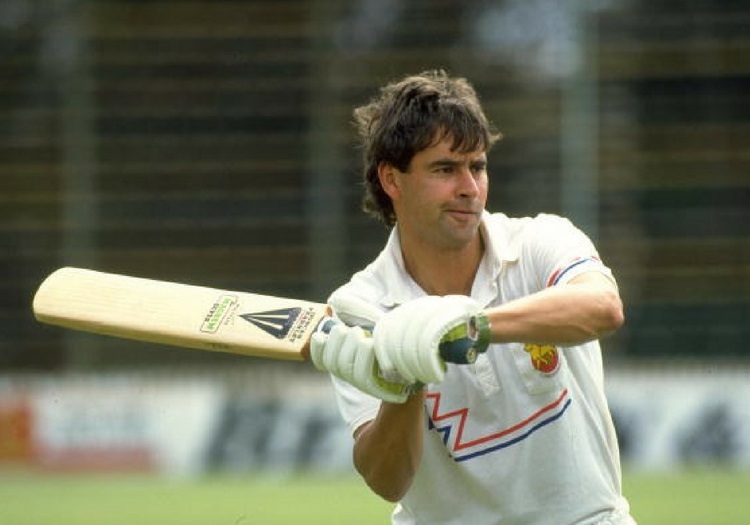
Chris Cowdrey was one of five England captains in 1988
In the summer of 1988 England had so many captains it was a wonder Mssrs Nemo, Kirk and Birdseye did not turn up. First there was Mike Gatting, who lost the gig after the drawn first Test against West Indies at Trent Bridge, after an alleged encounter with a barmaid.
Then John Emburey, who was struggling for wickets and was dropped after the third Test; followed by Chris Cowdrey at Headingley, and then, when he became injured, Graham Gooch (at long last!)… and with even a splattering of Derek Pringle thrown in for two sessions at The Oval when his Essex team-mate hurt his finger.
I have interviewed all five for the August issue of The Cricketer, out this week.
West Indies won the series 4-0, but the Test that Cowdrey captained in was quite close for a while, until the tourists turned the screw ruthlessly.
The Man of Kent gave me a fascinating interview.
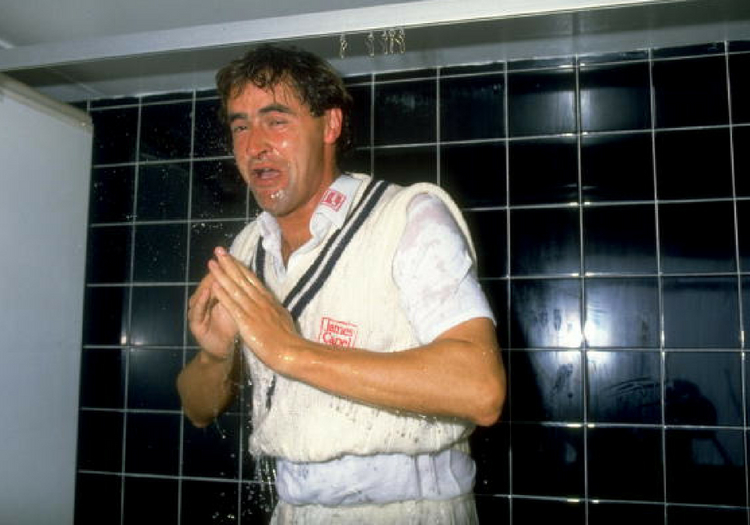
Cowdrey has been speaking to The Cricketer
“The selectors had a view to me taking the team to India that winter. They thought I would make a good touring captain, and I was a good player of spin.
“The other option had been Kim Barnett I was told, but they were worried that if they had gone for him and he had done well against West Indies in the two Tests left, they could not then have turned to me for India.”
That shocked me. It seemed very antiquated thinking by the selectors, even 30 years ago. Surely the best person to captain England was the best man for the job irrespective of whether the matches were home or away, or against mainly pace attacks, or spin.
But actually maybe they were on to something. Cowdrey is a genial man, diplomatic, and you could see him charming his hosts that winter, and keeping spirits up in the England camp. Much of India was ‘dry’ back then, and players still regularly fell ill from food poisoning, unlike the modern country today. Cowdrey had been there before under David Gower in 1984/85. He was a good player of spin, and he needed a run in the side to build up his confidence and give him a true sense of belonging.
It has to be remembered that in those days there was more chopping and changing when it came to the captaincy.
Take the case of his father. Colin Cowdrey’s 27 Tests in charge were spaced out over a decade.
England would regularly have different skippers at home and abroad. MCC picked the touring teams and liked an amateur rather than a professional as skipper. Think back to the probably apocryphal quote credited to Lord Hawke, "Pray God, no professional shall ever captain England".
Great examples were Peter May (in Australia 1958/59) and Ted Dexter, (1962/63) and an amateur type (even though the pro/am distinctions had been abolished) MJK Smith (1965/66).
MCC had been reluctant to put professional Len Hutton charge in Australia in 1954/55, because Fred Trueman’s behaviour had been somewhat wayward in the West Indies in 1953/54 and they thought an amateur would keep a lid on things better.
It was only in the late 1960s and the creation of the TCCB (1968) that all that finally went out of the window and MCC stopped picking the tour parties, with Ray Illingworth leading the side he wanted in Australia in 1970/71, for instance.
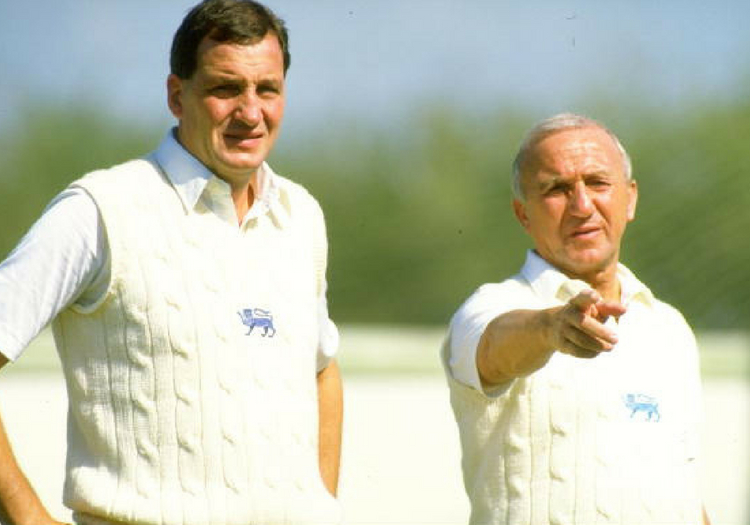
Cowdrey succeeded John Emburey as England skipper
The four-year captaincy cycles that we have come to expect since Mike Atherton stepped up are a relatively recent phenomenon. Alec Stewart did two years, but Nasser Hussain, Michael Vaughan, Andrew Strauss and Alastair Cook all served four years plus. It would be a surprise if Joe Root is not given the same kind of stint, unless he stands down himself.
If Cowdrey had led in India, at least there may actually have been a tour! The selectors plumped for Gooch instead and the Indians called it off because of his links to Apartheid South Africa (plus other players in the party – Tim Robinson, Rob Bailey, Graham Dilley and the Republic-born duo, Allan Lamb and Robin Smith.
The captaincy saga took further twists, however, as England then returned to Gower the following summer. Gooch, who had led England to victory over Sri Lanka at the end of the 1988 home season, was cast out again.
After the 1989 Ashes debacle England returned to Gooch that winter, however, and his captaincy tenure is generally seen as a success, dragging England into the 21st century when it came to fitness and preparation. England actually competed with West Indies after a decade of obliteration.
The selectors had been reluctant to have Gooch in charge because of his South African links (he played for Western Province and went on the rebel tour in 1981/82). Strangely though, in the 1990s, in theory more politically correct times, you could not seem to move for players who had been to South Africa assuming English cricket’s top jobs (David Graveney, Gooch, Gatting and so on). Funny old game.
You can read our blueprint and much more in the August edition of The Cricketer, available now from all good newsagents for £5.50 and via our online shop by clicking here

Welcome to www.thecricketer.com - the online home of the world’s oldest cricket magazine. Breaking news, interviews, opinion and cricket goodness from every corner of our beautiful sport, from village green to national arena.