
Australia host India in a four-game Test series starting in Adelaide on Thursday. Here, The Cricketer looks at five topics to keep an eye on during the coming weeks...
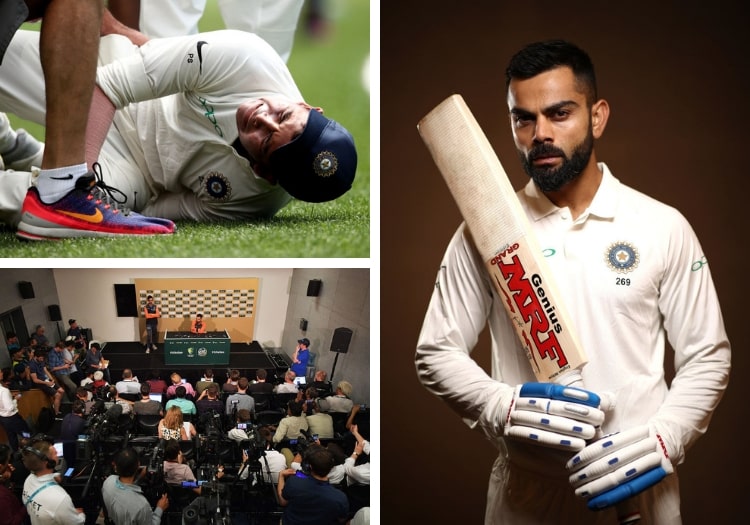
There is something of the superhuman about Virat Kohli in 2018. The India captain’s relentless rise to not just assume the title of the world’s best batsman but to be the best by some considerable distance has been a year-long tour de force.
In Australia he has the opportunity to put the gloss on a wonderful 12 months with an iconic victory and the statistics suggest everything is in his favour.
Kohli, let’s not forget, averages a remarkable 62 in Tests in Australia and five of his past 10 innings in the country have resulted in centuries. Throw into the mix his current form - one Test score below 45 since the second game against England at Lord’s in July - and the relative fragility of the Australian psyche right now and he could not wish for a more hospitable environment.
One look at Kohli in the nets this week - the sound of his wrist-cracking pulls reverberating around the Adelaide nets like Harrison Ford’s whip in an Indiana Jones editor’s headphones - and it would take only the greatest cynic to suggest he is not primed to do damage.
That said, even Achilles had his heel. Ben Jones, the CricViz analyst, thinks he has found something similar - a habit Kohli has shown to give his away a little cheaper (not cheaply, of course) against the fuller ball.
It is a point which has been gobbled up by Justin Langer and his coaching staff like hungry crows scavenging in the frost, with cribsheets passed on to the Aussie bowling attack echoing the theory.
Could it be Australia’s key to unlocking the defences of the greatest batsman on the planet?
Or, as is more likely the case, has Kohli’s aura won this battle before a ball has been bowled in anger?
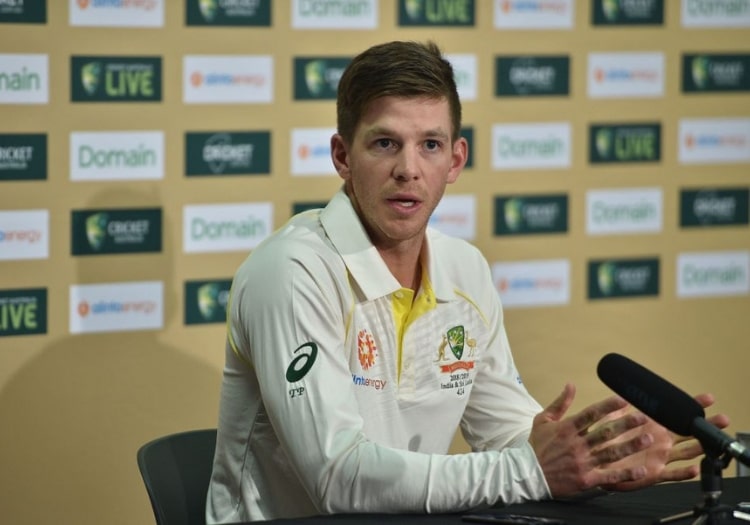
Australia captain Tim Paine
Aussie cricket is in a state of transition, with their general conduct under just as stringent examination as their onfield performance.
The outcome of the Longstaff Review into cricketing culture Down Under led to a series of easily-mockable resolutions from Cricket Australia, including the introduction of pre-match handshakes, a team motto which could quite easily have been ripped out of a Brownies handbook and the implementation of ‘elite honesty’. And the media focus on exactly what was going on at boardroom and PR levels has taken some of the glare away from miserable results on the pitch.
Now, though, with a new chairman, chief executive, captain and coach in place, the India series represents the first period of cricket-first coverage since Cameron Bancroft whipped the sandpaper from down his Y-fronts.
Which Australia will turn up? How will they balance the need to win with their newfound sense of humility (or so we’re told)? Can Langer’s “brotherhood” find the blend of non-toxic competitiveness which the country, and the cricket world in general, is expecting?
Tim Paine said in advance of the first Test that “gaining the respect of our country and fans is as high priority as winning” and heaven knows how badly those comments will have been received by the relics of the sport who care not a jot for basic civility in the pursuit of victory.
But the skipper should be admired for making the point that Australia can win well going forward. Whether they can win this series is another matter entirely.
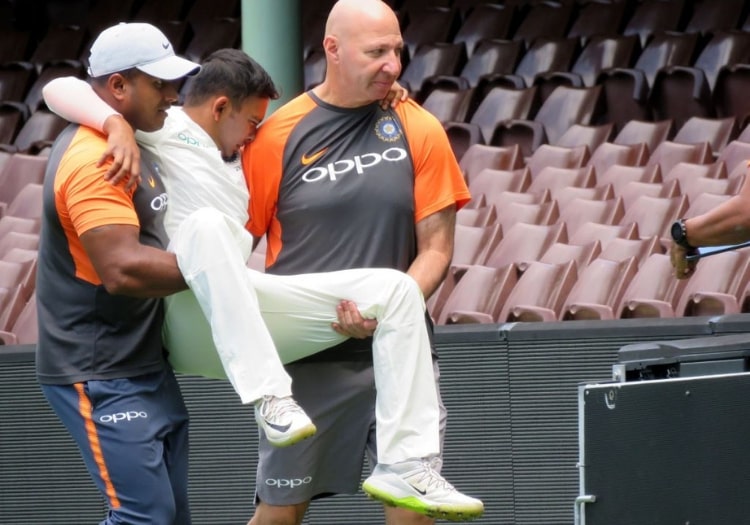
India youngster Prithvi Shaw
This series became a little poorer in Sydney last week when India’s “one-in-a-billion” batsman rolled his ankle in the field, thereby ruling himself out of action for at least the first two Tests.
Shaw has been talked glowingly about for what seems like years, despite being just 18 and, after his breakthrough debut hundred against West Indies, these games in Australia were poised to offer a massive stage for the youngster to prove just how good he is.
There is every chance the diminutive strokemaker could return to the side for the Boxing Day Test - coach Ravi Shastri said this week “with youth by his side, he might recover quickly” - and the cricketing world will be hoping he is back, fit and firing very soon indeed.
To have your brother arrested at any time in your life must be troubling. Usman Khawaja experienced just that two days before the start of this series when his elder sibling Arsalan was charged with forgery and attempting to pervert the course of justice by New South Wales police.
The curious case of a bogus terror plot - allegedly motivated by an argument over a woman - has gathered plenty of attention in the Australian media in the build-up to the game, partly no doubt because of the status of Usman.
In a brief statement, Khawaja asked for his family’s privacy to be respected, while Justin Langer insisted his player had the necessary support network in place to get his mind right in time for ball one, whenever that may be.
But it is neither derogatory nor unfair to ask whether the player, who has reportedly been aware of his brother’s potential plight for at least a fortnight, will be able to banish the thoughts of a loved one in handcuffs for the time he is out in the middle.
A notoriously calm and considered character, those who know him best say he has the composure and focus to make it through. Australia evidently believe that, too. Time will tell.
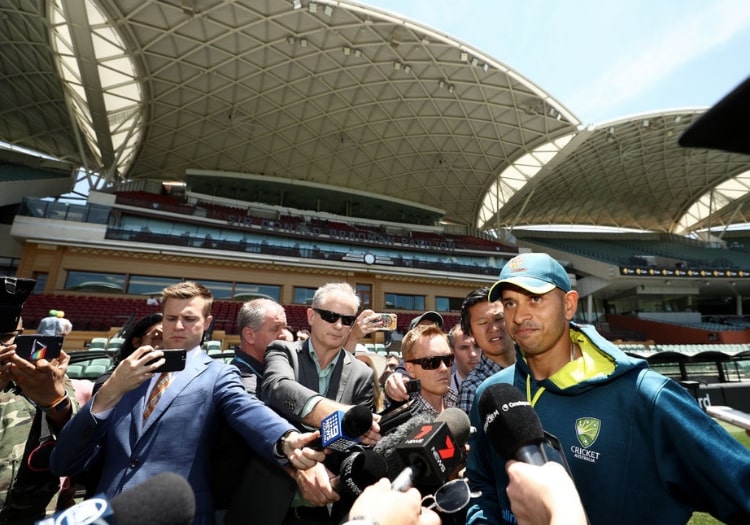
Usman Khawaja faces the media
ESPNCricinfo reported on Wednesday that broadcasters Seven have struck a deal which will allow interviews to take place during sessions of play, a feature which has become so commonplace in T20 cricket.
While the idea is to be phased in slowly - don’t expect Tim Paine on the mic behind the stumps from ball one on Thursday - it is still a remarkable leap forward for a form of the game which has largely kept away from the gimmicks of its white-ball cousin.
"We would love the opportunity should Nathan Lyon take five-for in the first innings and we know he's not batting until late and we need to bat for a final session, we'd love the opportunity, if he's not doing anything, for him to come and sit on the couch and have a chat with Ricky Ponting about what's happened," Jones told ESPNcricinfo. "If we're 2 for 200 and Usman Khawaja's made a hundred, and he goes and cools down and we're going ok, then absolutely we'd love for him to come across.”
The players are used to this format, of course, as it forms a prominent part of coverage of the major T20 franchise competitions around the world. And, perhaps most importantly, a generation of fans are used to it too.
If Test cricket really is to keep its head well above water and continue to appeal, that is worth remembering.

Welcome to www.thecricketer.com - the online home of the world’s oldest cricket magazine. Breaking news, interviews, opinion and cricket goodness from every corner of our beautiful sport, from village green to national arena.