
The Cricketer goes behind the scenes at the World Cup with some of the lesser-told stories of the first week of the tournament
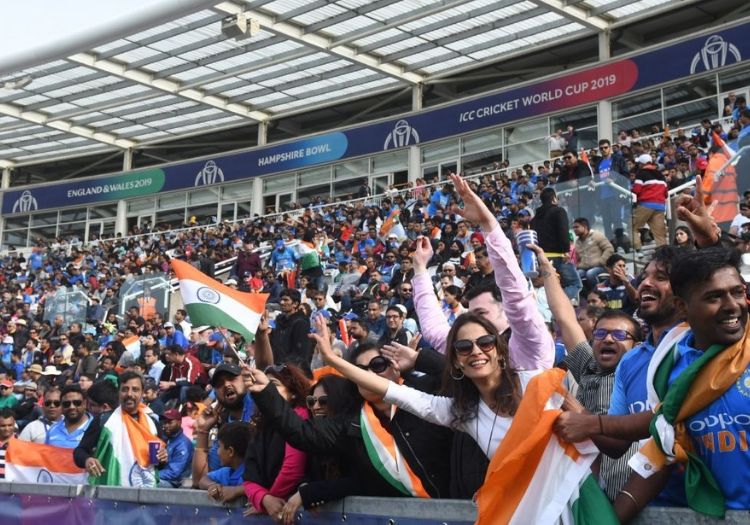
Ticketless India fans desperate to attend their opening World Cup game against South Africa went to unique lengths to ensure they could watch their team.
The 'Hampshire Bowl' has several ground-facing rooms available to book and naturally supporters took advantage of such a luxury.
However, this lead to swathes of people pilling into the suites despite not being part of the original booking. Dozens filled the rooms as the 1983 and 2011 winners strolled to victory.
While Hilton, who run the hotel at the home of Hampshire, were liberal over the move, upon discovering the development the ICC ordered that the tag-ons be ejected having not paid for a ticket.
It's a free lunch, so we shouldn't complain, but the food at cricket venues across the country varies considerably in quality.
One veritable legend of the game found this out at the 'Cardiff Wales Stadium' when he took exception to the chicken tikka served at half-time during the Sri Lanka-Afghanistan match.
This global superstar was not happy with what was dished up, and sent his food back, saying it was too dry.
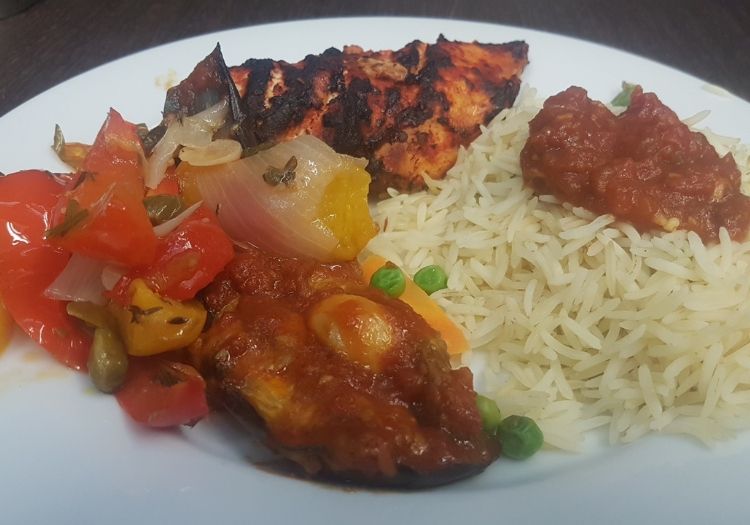
Lunch at Cardiff
If you're a reporter in need of the loo at Southampton, you'd better give yourself an extra few minutes to get back to your seat.
Midway through the venue's first game of the tournament, the ICC's 'bouncers' instigated a curious system. If journalists left the press box on its lower level to access the toilets - just 30 feet from the entrance - they had to re-enter the room via its upper level; meaning a trip up the stairs or, for those less able, a minutes-long wait for a lift.
The reason? Reporters have to buzz in every time they enter the facility.
One individual located in the press box during one match in the opening week of the tournament couldn’t help but boast to a colleague that he was not a member of the media, but instead a fan.
He added that he had paid the cricket board of his adopted nation a fee to allow him entry into all matches and use of the various facilities.
As well as a prime view of the action, the man will get a free lunch and direct access to some of his favourite players via press conferences and mixed zones. It really is all about who you know.
VISIT THE WORLD CUP PORTAL
The ICC have strict rules over capturing footage or photos inside each of the 11 venues in this tournament, with the view of using it in a commercial context. But some journalists just can’t help themselves.
One particular reporter had previously been warned on two separate occasions about filming press conferences using his phone, but he was unperturbed, unfurling it again at the start of the latest media session.
By now, one particular media official was exacerbated and threatened to remove his accreditation if he repeated the misdemeanour. Four strikes and you’re out, then.
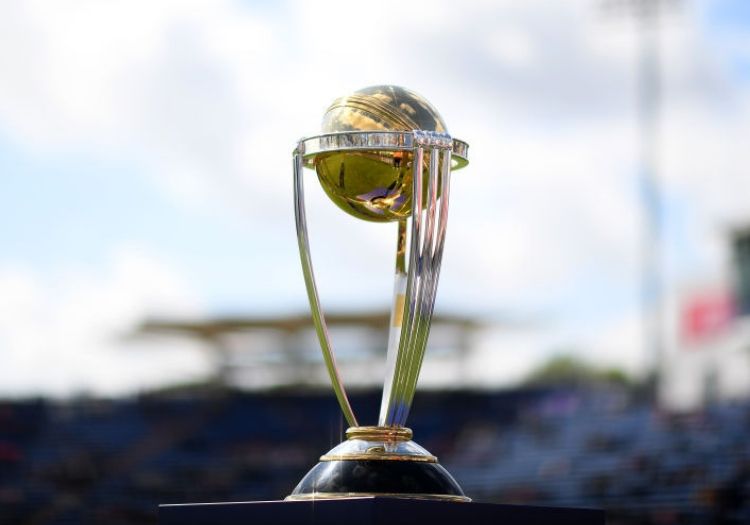
The ICC World Cup trophy on display in Cardiff
On the subject of rights and regulations, the first week of the World Cup has seen an almighty back-and-forth between various journalists and ICC media managers over what can or cannot be tweeted from their press box seats.
Depending on the venue, the message has been very different. In Southampton, reporters were expressly forbidden from tweeting snaps of the pitch (or empty seats), with the on-duty ICC officials going so far as to issue a reminder via the press box scorer. Unless you were accredited as a photographer, the memo said, you must not take pictures.
One look at the governing body's copyright regulations - copies of which were markedly sent out by email to editors twice in the week leading up to the tournament - suggested, however, that they had got it wrong.
Non rights-holding journalists are forbidden from "recording, broadcasting or transmitting... moving images, sounds, data, scores or commentary" as part of their accreditation agreement and face having their entire organisation's entry rights revoked if they breach the rules.
No wonder, then, that reporters have been faffing to establish what they can and can't tweet. How silly, when the entire fee-paying crowd are gobbling the occasion up and filtering it out onto social media, as well they should.
Finally, during the Trent Bridge clash between Australia and West Indies, an edict came down from on high saying that yes, it is actually okay for journalists to publish still images.
Our coverage of the ICC Cricket World Cup 2019 is brought to you in association with Cricket 19, the official video game of the Ashes. Order your copy now at Amazon.co.uk

Welcome to www.thecricketer.com - the online home of the world’s oldest cricket magazine. Breaking news, interviews, opinion and cricket goodness from every corner of our beautiful sport, from village green to national arena.