
SAM MORSHEAD: When publications like The Sun act in this way, republishing three decades-old trauma to piggy-back on a national success story, it becomes very hard for the journalistic community to explain why a free press is so important
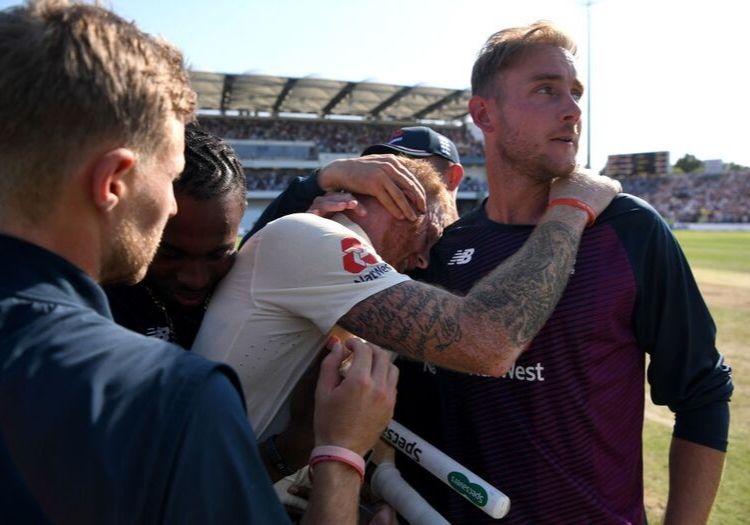
Ben Stokes is a hero of English sport, a family man respected beyond all others in the dressing room, England’s 2019 goliath, capable of carrying a nation’s hopes on his shoulders not once but twice in a single summer.
He has rebuilt a reputation tarnished by that night in Bristol to such an extent that he is rightfully the odds-on favourite to be named BBC Sports Personality of the Year in December.
It would be a travesty if he was overlooked.
He has given cricket fans in this country, and those new to the game, and those dragged along by the euphoria of the occasion, two of their most treasured sporting moments - the World Cup triumph at Lord’s and the miracle of Headingley.
Few English cricketers have captivated in such a way. Few can have done more to promote the game to a wider audience, and inspire, and wow, and been idolised by the masses.
Few, too, have been targeted on the front page of a national newspaper in quite such a callous manner.
Was this awful secret - kept private for 31 years by a family on the other side of the world, presumably for means of self-preservation - really in the public interest?
Was it relevant to the news cycle? Did it serve to give the public a better understanding of Stokes the cricketer, or further explain the events of our cricketing summer?
Somewhere along the line, decision-makers at The Sun answered ‘yes’ to at least one of those questions, or at least they ought to have done in order for the story to have run; there may or may not have been ulterior incentives.
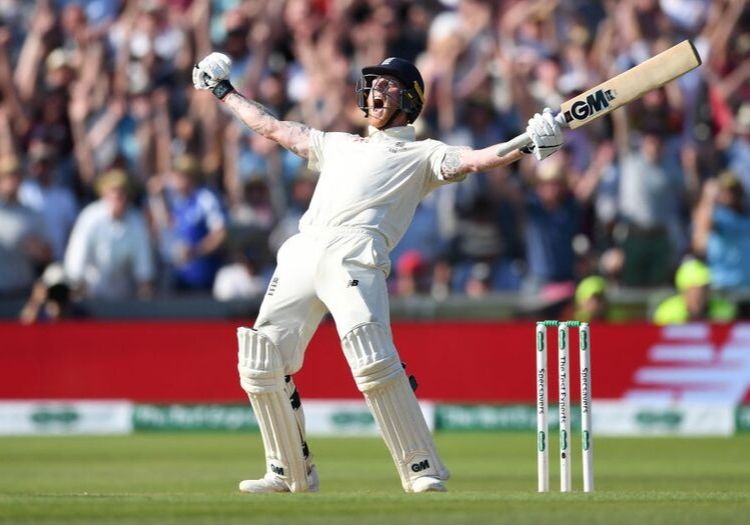
Ben Stokes has had an extraordinary summer
A critical function of journalism is telling stories which others do not want told. That is how corruption is exposed and abuses of power kept in check.
The freedom of the British press is a sacred convention which ensures all this is possible, and upending that freedom would set a dangerous precedent - one that would allow the powerful to act unchallenged.
But we can only defend a free press when the free press uses its own powers sensitively, and does not fall back on its premise to excuse an abject lack of human compassion.
When publications like The Sun act in this way, republishing three decades-old trauma to piggy-back on the shoulders of a national success story, it becomes very hard for the journalistic community to explain why a free press is so important.
There have been calls in the 24 hours or so since the article’s publication for The Sun’s media accreditation to be withdrawn by the ECB. That would be the wrong response from the governing body, which ought to open itself up to scrutiny from all parties - it should be noted, though for little purpose other than context, that the news desks and sports desks of national newspapers and major websites operate almost independently of each other - but those who voice such an opinion while simultaneously condemning the Stokes story might be branded hypocrites.
Fundamentally, there was nothing illegal about The Sun’s practice. They had every right, legally, to go to print with what they had, although it will be interesting to see the ruling of IPSO (the Independent Press Standards Organisation) in the event of complaints being filed.
Ethically, however, the waters are much, much murkier.
In a statement on Tuesday, the newspaper said: “The Sun has the utmost sympathy for Ben Stokes and his mother but it is only right to point out the story was told with the co-operation of a family member who supplied details, provided photographs and posed for pictures.
“The tragedy is also a matter of public record and was the subject of extensive front page publicity in New Zealand at the time..
“The Sun has huge admiration for Ben Stokes and we were delighted to celebrate his sporting heroics this summer. He was contacted prior to publication and at no stage did he or his representatives ask us not to publish the story.”
Should “utmost sympathy” be followed by a “but”?
Had Stokes, his agent Neil Fairbrother or the ECB requested the article be spiked, would The Sun have obliged?
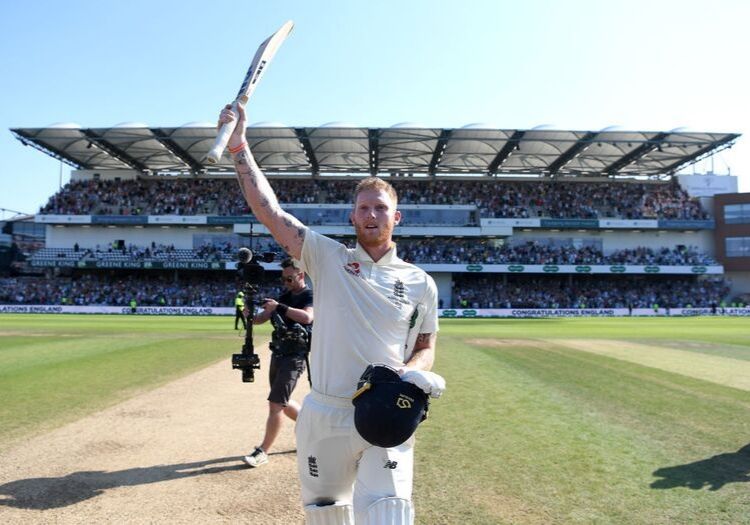
Stokes issued a statement in relation to The Sun's story on Tuesday
As Stokes so poignantly and ominously said in his statement, The Sun’s story will have its most profound ramifications on his mother Deb. And for what? And for why? What was the point?
That last question seems to be the most pertinent of all.
What was the point?
What was the point?
Stokes is not oblivious to the demands of his public profile, and he accepts that he cannot expect his own behaviour to escape the press’s attention. But in his statement he expressed a belief that his family deserves to have their right to a private life protected and respected.
That is an opinion which will resonate with most across the country, and beyond.
Ultimately, the nature of journalism means that, in some instances, the right to privacy and the freedom of expression clash horribly. It should be our responsibility, as journalists, to fairly, humanely and sensitively determine when freedom of expression - the demand for a story to be told - wins out.
With every passing instance of us getting that wrong, trust in the media - in us - will only deteriorate.
We cannot excuse every gratuitous ‘exclusive’ by referencing the sacrosanct free press. It’s not good enough. We must do better.

Welcome to www.thecricketer.com - the online home of the world’s oldest cricket magazine. Breaking news, interviews, opinion and cricket goodness from every corner of our beautiful sport, from village green to national arena.