
Among the key observations of the damning report released in June - which exposed racism, sexism, elitism and class-based discrimination -, the change takes immediate effect starting with the upcoming T20 series against Sri Lanka
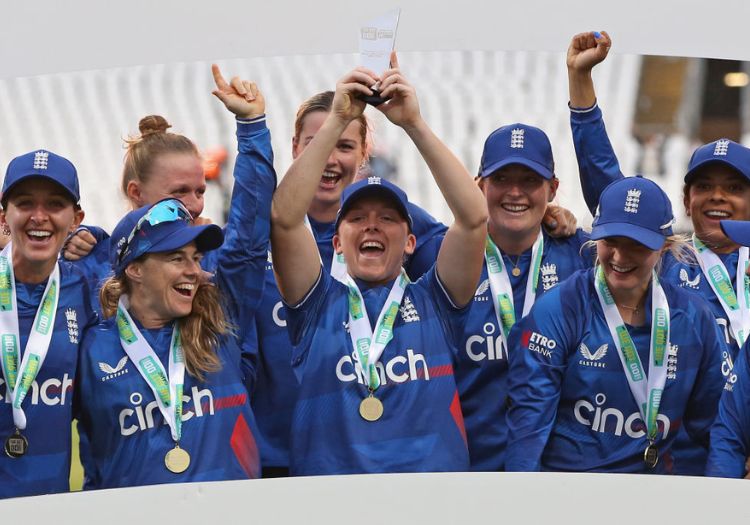
England women and men will now receive identical match fees for international matches.
The change in ECB policy comes following a recommendation from the Independent Commission for Equity in Cricket report published in June.
Female players previously received 25 per cent or less of the men's fee, with only those in the matchday XI remunerated.
As part of a raft of directives regarding the professional women players' pay structure, the damning 317-page report - which exposed racism, sexism, elitism and class-based discrimination - concluded: "Match fees between England men and England women should be equalised with immediate effect".
England captain Heather Knight said: "It's really important that we continue to drive the women's game forward and it's fantastic to see equal match fees for England women and England men.
"The direction of travel for the women's game has always been the most important thing, creating a sustainable product that people want to watch and play, and I'm sure this will make cricket an increasingly attractive sport to girls and young women as we continue to grow the game.
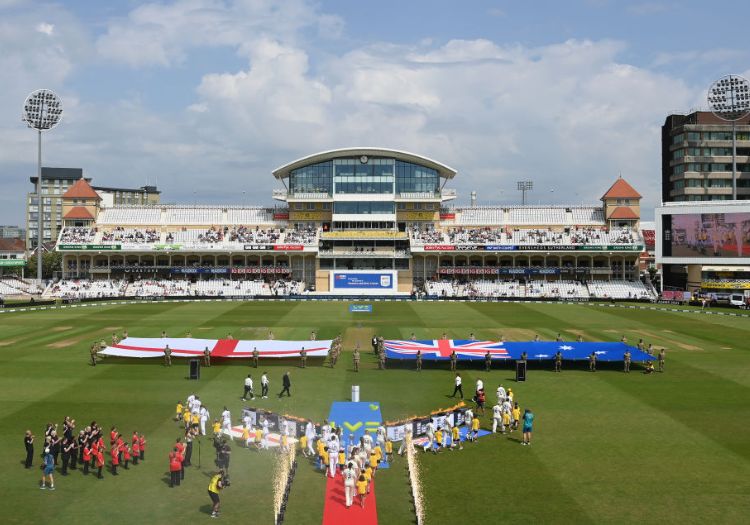
It was a landmark Ashes series on and off the field for England women this summer (Stu Forster/Getty Images)
"I would also like to thank the PCA and England women's player partnership for their support in representing the players and the growth of the professional game."
The changes come into effect for the Sri Lanka white-ball series, which begins with the first of three T20s at Hove on Thursday (August 31).
The news comes after a landmark women's Ashes summer attended by a record-breaking 110,000. The one-off Test at Trent Bridge saw 23,207 tickets sold, the most for a women's Test in England; the ODIs at the Ageas Bowl, Bristol and Taunton were complete sell-outs and attendance records were broken at Edgbaston, the Kia Oval and Lord's.
The series also achieved a broadcast reach of 5.3 million, twice the figure from the last home series in 2019, and earned 47 million video views online.
ECB chief executive Richard Gould added: "Growing the women's and girls' game is a key priority for us, and in recent years we have considerably increased investment both in building a domestic women's structure to produce the players of the future, and in increasing player rewards.
"We are currently considering all the recommendations made by the Independent Commission for Equity in Cricket, but equalising match fees is one immediate step we are pleased to make now.
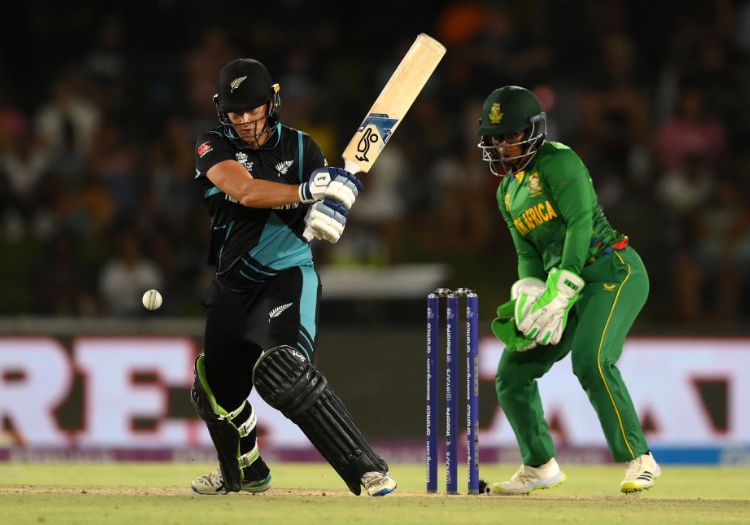
New Zealand and South Africa are among the countries offering equal pay (Mike Hewitt/Getty Images)
"We all want cricket to be the team sport of choice for female athletes, and with the investments we are making - and increasingly lucrative opportunities around the world - we are seeing cricketers become some of the highest-earning female athletes in UK team sports.
"However, we know there is still much further to go as we ultimately strive for equality across the game.
"As we continue to grow women's cricket, we will continue to focus on making considered investments that stretch far and wide across the women's cricket structures, delivering a thriving, profitable and future-proofed game."
In July, the ICC announced they would reward women's and men's teams equally at their global events going forward.
South Africa recently joined New Zealand and India in offering pay parity. In April, Cricket Australia unveiled a 66 per cent salary rise for female cricketers in another step towards equal pay.

Welcome to www.thecricketer.com - the online home of the world’s oldest cricket magazine. Breaking news, interviews, opinion and cricket goodness from every corner of our beautiful sport, from village green to national arena.