
SAM MORSHEAD: This summer has generated genuine engagement with bonafide heroes; new, relevant, high-profile role models that our sport so keenly needs
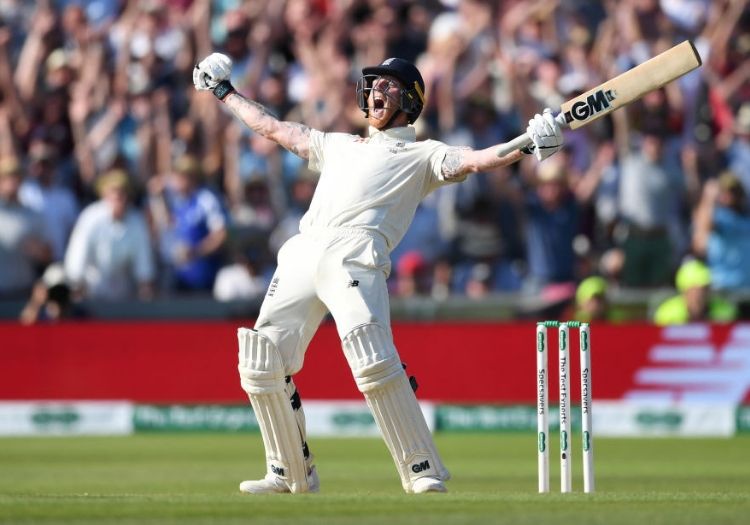
By 4pm, there was not even standing room.
Forty of us - maybe more - sweaty and sticky from the baking heat of a bank holiday six-a-side, stuffed into a tiny pavilion, pinned to a scratchy stream.
The smell was dreadful, but few seemed to notice. Certainly, no one cared.
And at around 4.17pm, as Ben Stokes leant onto the back foot and slapped to the cover boundary, the roar which began in the lungs of England’s allrounder and carried across the buoyant Western Terrace reached our little Wiltshire enclave.
And it was loud. And it was beautiful.
Stokes, for the second time in the summer, had made life stand still. The scene at White Horse Cricket Club was replicated in countless clubhouses the country over; charity T20s and Sunday hit-abouts paused to witness history. Only greatness can do that. Stokes is turning it into a habit, and what an incredible six weeks he has given those of us who love our game and want to share that love with the rest of the world.
There is something truly exciting about the groundswell of public interest generated by the epic summer of 2019 - the ricochet and the super over, Smith vs Archer and now Stokes’s Headingley heroics.
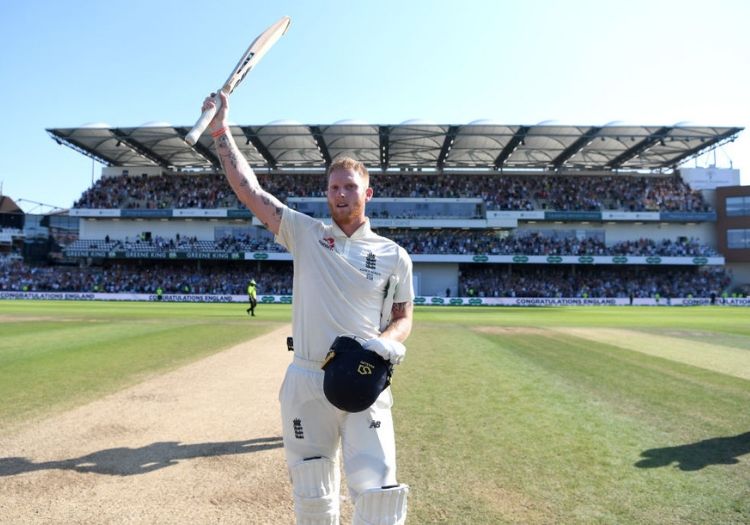
Ben Stokes has given English cricket a chance to engage once again
For me, it began in the week after the World Cup, when pop-up games of cricket outnumbered football kickabouts on Wandsworth Common, and the WhatsApp group I share with my two closest friends - previously no more than casual watchers of the game - started to fill up with conversations about batting collapses and rain radars.
This Friday, the first point of order in my local pub back home was England’s diabolical first-innings performance with the bat. On Sunday, at a village event, the landlords’ children had themselves a makeshift net using a marrow and a tennis ball.
Now, my sample may be slanted by my job, but I can guarantee that Nick Compton’s struggles at No.3 did not spark conversation over a pint with these same people back in 2016, nor even did England’s batting capitulation in the Caribbean earlier this year. My friends never messaged me when Shai Hope manufactured Headingley’s previous Test miracle in 2017, and I do not remember kids being inspired to take up vegetables even by Monty Panesar and Jimmy Anderson’s rearguard resistance in 2009.
This summer has been different. This summer has generated genuine engagement with bonafide heroes; new, relevant, high-profile role models that our sport so keenly needs.
Stokes and Archer are the pin-ups of a fresh era, if we want it to be that way. If we can translate seasonal impact into long-term gain. If we build proactively, rather than indulging too much in the feast laid on our laps over the past two months. If we can avoid complacency. If we can avoid the same mistakes of 2005.
Because - and the sheer madcappery of this summer allows us to forget this - cricket in England and Wales still lives in something of a bubble.
SIGN UP FOR OUR NEWSLETTER
Sky’s audience reached 2.1million on the final day at Headingley, its highest peak during a Test match.
Perhaps they benefited from the timing of Stokes’ salvo - neatly slotted between their two live Premier League football matches, the perfect sandwich-filler for the floating armchair sports fan on a lazy Sunday afternoon.
Undoubtedly, the relentless craziness of the last two months has pushed the sport to somewhere approaching the front of public consciousness, too.
Yet while on the face of it 2.1million is an awful lot of people, it also reflects only a small fraction of the population, and it is less just a quarter of the number that tuned into the World Cup final 42 days prior.
So why the drop?
The protagonist was the same, the day of the week was the same. The occasion was just as dramatic, the theatre just as spectacular.
So why, then? I think you know.
Sky are sometimes sensitive to criticism of the impact their paywall has had on cricket’s visibility. Ultimately, it is not the broadcaster’s fault that the ECB chose to deposit every last one of its stocks and shares into a single, pay-per-view vault, nor is it their duty to find solutions to the ills this has caused.
Furthermore, Sky make a terrific product. Their standards are unrivalled, their use of technology pioneering and their championing of good causes extremely admirable. They have invested tremendously in grassroots initiatives during their long association with English cricket, and they treat their partnership with the ECB with love and care. Reaching an agreement to share the World Cup final with Channel 4 required humility, community spirit and a willingness to compromise, the likes of which we do not ordinarily associate with media giants.
But none of that changes the fact a generation has been reared on a cricket-light diet, and we are expecting that generation - by now new parents or aspiring to positions of influence in education, politics and media - to carry a baton which many of them have no interest in carrying.
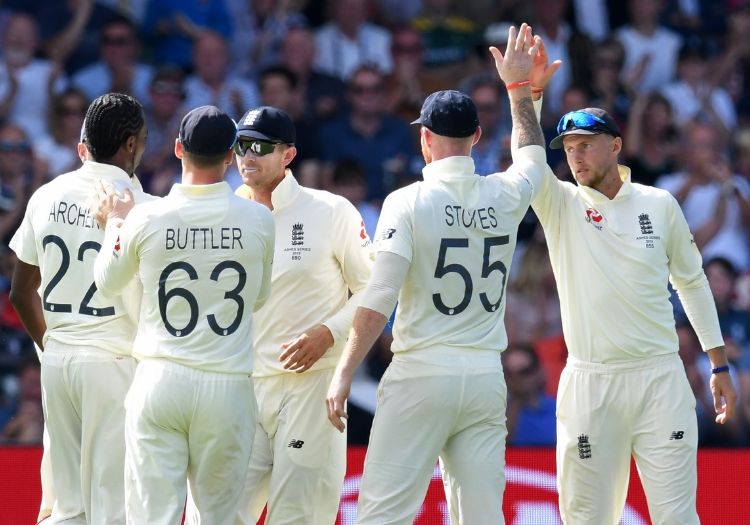
Stokes helped England beat Australia by one wicket at Headingley
Inspiration might manifest itself in the form of Archer or Stokes to those of us who know the game and are able to pay for access to it, but what about those whose cricket knowledge does not stretch beyond cliches and stereotypes? Who is best placed to encourage a child to pick up a bat or ball when subscription costs represent a week of food for the family?
Who will urge a teenager to take what they have learned in the excellent All Stars programme and continue it at club level? Who will go to their headteacher and lobby for cricket to be added to the PE timetable, or give up their time to offer the sport as an extracurricular option? Who will look to legislate against the sale of school land and other public space? Who will turn up to take the TriKing to the outfield and the roller to the middle, and rush to the ground to ensure the covers are rolled on before the arrival of a passing storm?
There has been a 14-year hiatus between English cricket’s last whirlwind summer and its recent halcyon days, and during that lull the sport in this country has fidgeted and floundered spectacularly. It has generated income while abandoning inspiration.
In just the last three years, according to Sport England, fortnightly participation in cricket among over-16s has fallen 20 per cent, and the overall number of those who play once a year is down eight per cent.
Those numbers are stark but they only skim the surface, and they do not account for the rapidly decreasing number of young people willing or able to give up their time to do the relevant dogsbody work which anyone who has had any involvement in running a club will know all too well.
At our six-a-side in Wiltshire on Sunday, there was just one volunteer under the age of 30. Pitch preparation, umpiring, catering and barwork were all taken care of by the elder statesmen and stateswomen of the club. The demographics are becoming more lopsided by the year.
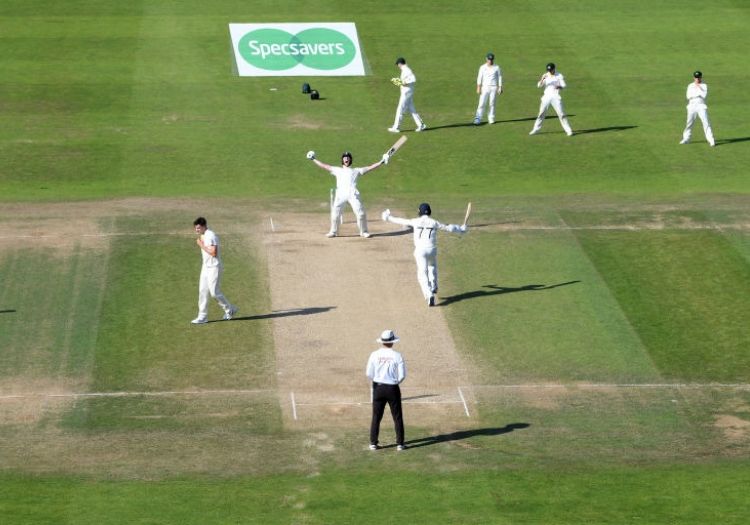
Stokes can be a relevant role model
Cricket has an opportunity now to redress the balance, to use the platform given to it by this magnificent summer for real good. For real change.
There have been ECB projects to this effect - the governing body says it engaged a million children in the sport during the World Cup, though what that actually means is a little vague, while the Headingley match was branded the Participation Test and featured several Sky segments on the work being done to push the game outwardly across the country.
The South Asian action plan is perhaps the most significant piece of work being undertaken by the ECB at present, and there are grand claims about the ways in which The Hundred might carry on the work of 2019 when it arrives in 12 months’ time. We have live cricket back on terrestrial television next year, too - a little, but still something after a decade and a half away - and the reinvestment of the £1.1billion generated by the upcoming five-year broadcast rights deal could make a huge difference.
But cricket’s biggest issue is finding a balance between revenue margins and visibility. For 14 years that balance has not been struck, and at a recreational level the effects are being felt harder and harder every summer.
Now is the time to make amends.

Welcome to www.thecricketer.com - the online home of the world’s oldest cricket magazine. Breaking news, interviews, opinion and cricket goodness from every corner of our beautiful sport, from village green to national arena.