
The Cricketer runs the rule over the performances of England’s players during the 2021 T20 World Cup
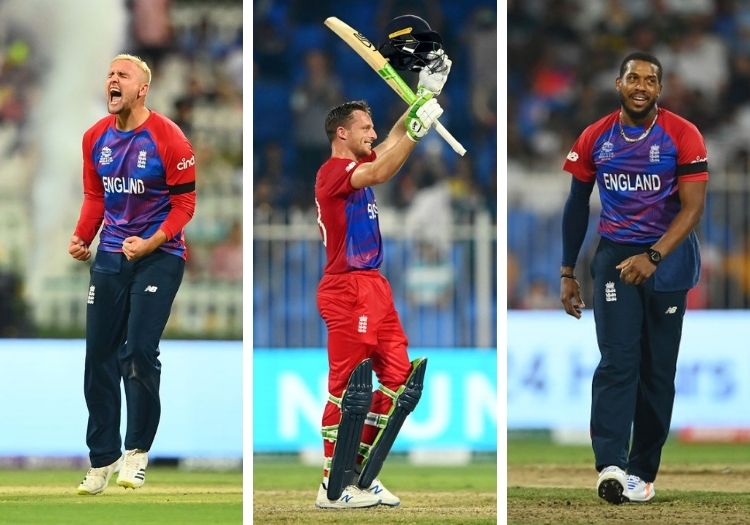

6 matches, 68 runs, 34 average, 3 catches
Batting wise, Eoin Morgan was far improved from the IPL, playing a useful supporting role in a 112-run stand with Jos Buttler against Sri Lanka and chipping in with some handy, if ultimately futile, boundaries against South Africa. Some dodgy bowling decisions, especially at the death in the absence of Tymal Mills, and with hindsight he may question the wisdom of promoting a rusty Jonny Bairstow to the top in the semi-final. Always had one hand tied by injuries. C+
6 matches, 269 runs, 89.66 average, 4 catches, 1 stumping
England’s best player in the UAE. Buttler was at his bulldozing best against Australia, smashing 71 not out off 32 balls, and showcased his tactical nous against Sri Lanka to weather the storm of the spinners before swashbuckling his way to his maiden T20I century against the seamers. Palatable with the gloves and bows out as England's highest run-scorer. A
5 matches, 123 runs, 30.75 average, 5 catches
A tad hit and miss with the bat, with his obvious highlight being a rapid half-century against Bangladesh to mark his 50th T20I appearance. Athletic and ever-present in the outfield and sorely missed with the bat against New Zealand. B
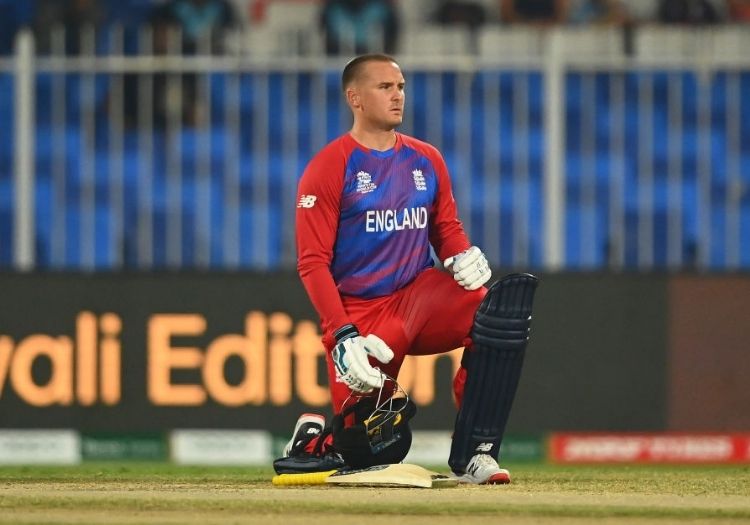
Jason Roy
6 matches, 47 runs, 11.75 average, 3 catches
Quiet in the field and with the bat. Jonny Bairstow finished off proceedings against Bangladesh and Australia but was otherwise AWOL in the middle order. Promoted to the top of the order for the semi-final but never settled in on his way to a 17-ball 13. D
6 matches, 116 runs, 29 average, 2 catches
Yo-yoed around the middle order without catching the eye. Solid knocks against Bangladesh and South Africa and showed promise against New Zealand before failing to launch once again. Probably done enough to keep himself in the reckoning for 2022. C-
6 matches, 46 runs, 15.33 average, 6 wickets, 14.33 average, 5.73 economy, 3 catches
He didn’t really have the opportunity to showcase his talents with the bat (although when he did, he scored at an astonishing strike rate of 158.62) but Liam Livingstone shone with the ball and can no longer be undervalued as merely a sixth bowling option. Six wickets, the second-best economy in the team and he stepped up in the semi-final with 2 for 22. A strong finish to a breakout 2021 on the international stage. A-
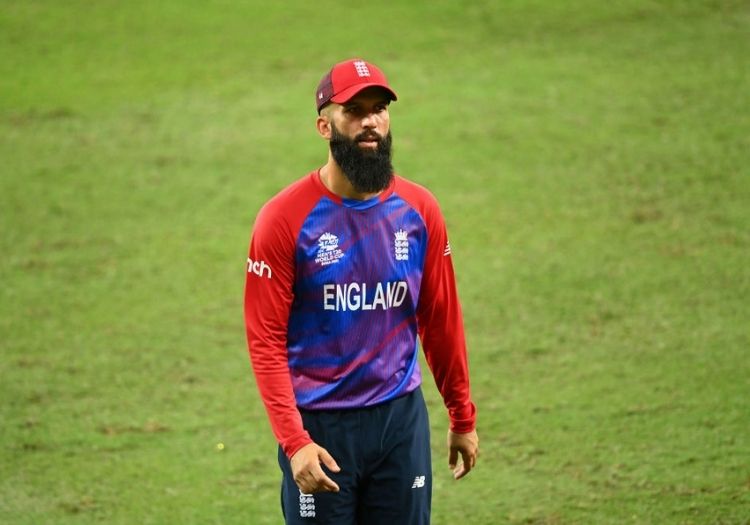
6 matches, 92 runs, 46 average, 7 wickets, 11 average, 5.50 economy, 3 catches
With the ball, Moeen Ali was England’s best bowler, taking seven wickets and boasting a team-leading economy of 5.5 despite frequently being asked to take an over – or three – in the powerplay. With the bat, he took his chance in the top four with solid knocks against South Africa and New Zealand. A richly deserved half-century in the semi-final. A-
Moeen Ali
6 matches, 7 runs, 7 average, 7 wickets, 21.57 average, 7.36 economy, 4 catches
Oh, so impressive with the new ball; oh, so expensive at the death. Six of Chris Woakes’ seven wickets came in the first six overs, and he was brutally effective against Australia and Bangladesh. However, he struggled to cover for Mills against South Africa and New Zealand, pummelled for three sixes in five balls against the former and conceding 20 runs in the 19th over against the latter. His fielding, in particular the one-handed leap to remove Steve Smith, was a highlight. C+
6 matches, 0 runs, 0 average, 6 wickets, 21.66 average, 6.84 economy, 1 catch
A tournament of two halves for Chris Jordan who excelled against Australia and Sri Lanka but crumbled under pressure against South Africa and New Zealand. Conceded 26 runs off his final two overs against the Proteas before finding himself on the receiving end of a Jimmy Neesham masterclass in the semi-final – his first two overs went for just eight runs, his final six balls (eight if you include the wides) yielded 23. His economy flatters a disappointing end to the tournament. C-
6 matches, 2 runs, 9 wickets, 16.22 average, 6.53 economy, 2 catches
Collected T20I cricket’s cheapest four-for in the mauling of West Indies, picking up 4 for 2 to start his tournament with a bang, and failed to take a wicket in just one of his six outings. Economical against West Indies, Australia and Sri Lanka, but costly by his standards in England’s other three outings and quite powerless against New Zealand. B-
2 matches, 0 wickets, 10.12 economy
Handed his opportunity when Mills was injured but failed to capitalise. Mark Wood was very rusty against South Africa and was dispatched for 47 runs – his third-worst T20 figures in an England shirt. Not England’s worst bowler against New Zealand, conceding *just* 34 runs, but did not cover himself in glory in the UAE. D
Tymal Mills
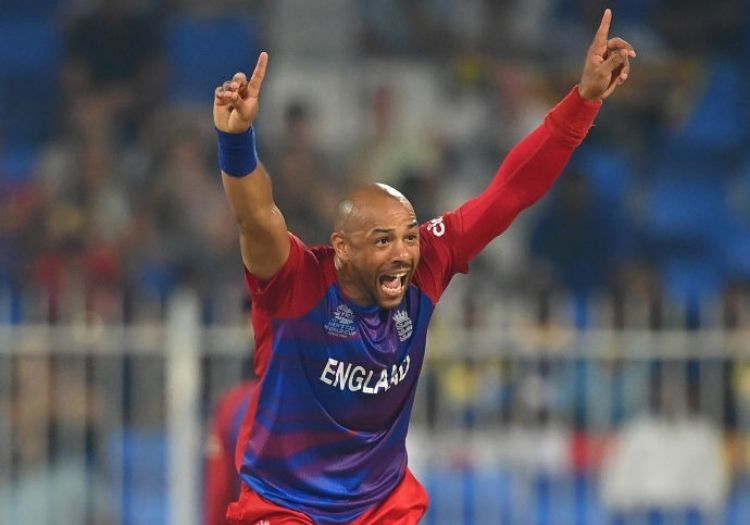
4 matches, 7 wickets, 15.42 bowling average, 8.00 economy
A solid return to the England set-up for Tymal Mills, who impressed against West Indies and Bangladesh before taking a beating from Pat Cummins and Mitchell Starc against Australia and bowing out of the tournament through injury against Sri Lanka. Five of his seven wickets came in overs 18 and 20 and England desperately missed his death bowling against South Africa and New Zealand. Absence makes the heart grow fonder and all that. B-
1 match, 1 catch
Selected against New Zealand in the absence of Jason Roy but surplus to requirements with the bat. Took the catch to dismiss Glenn Phillips and also removed Wanindu Hasaranga against Sri Lanka as a substitute fielder. N/A
Did not play: Tom Curran, David Willey, James Vince, Reece Topley, Liam Dawson (unused travelling reserve)

Welcome to www.thecricketer.com - the online home of the world’s oldest cricket magazine. Breaking news, interviews, opinion and cricket goodness from every corner of our beautiful sport, from village green to national arena.